
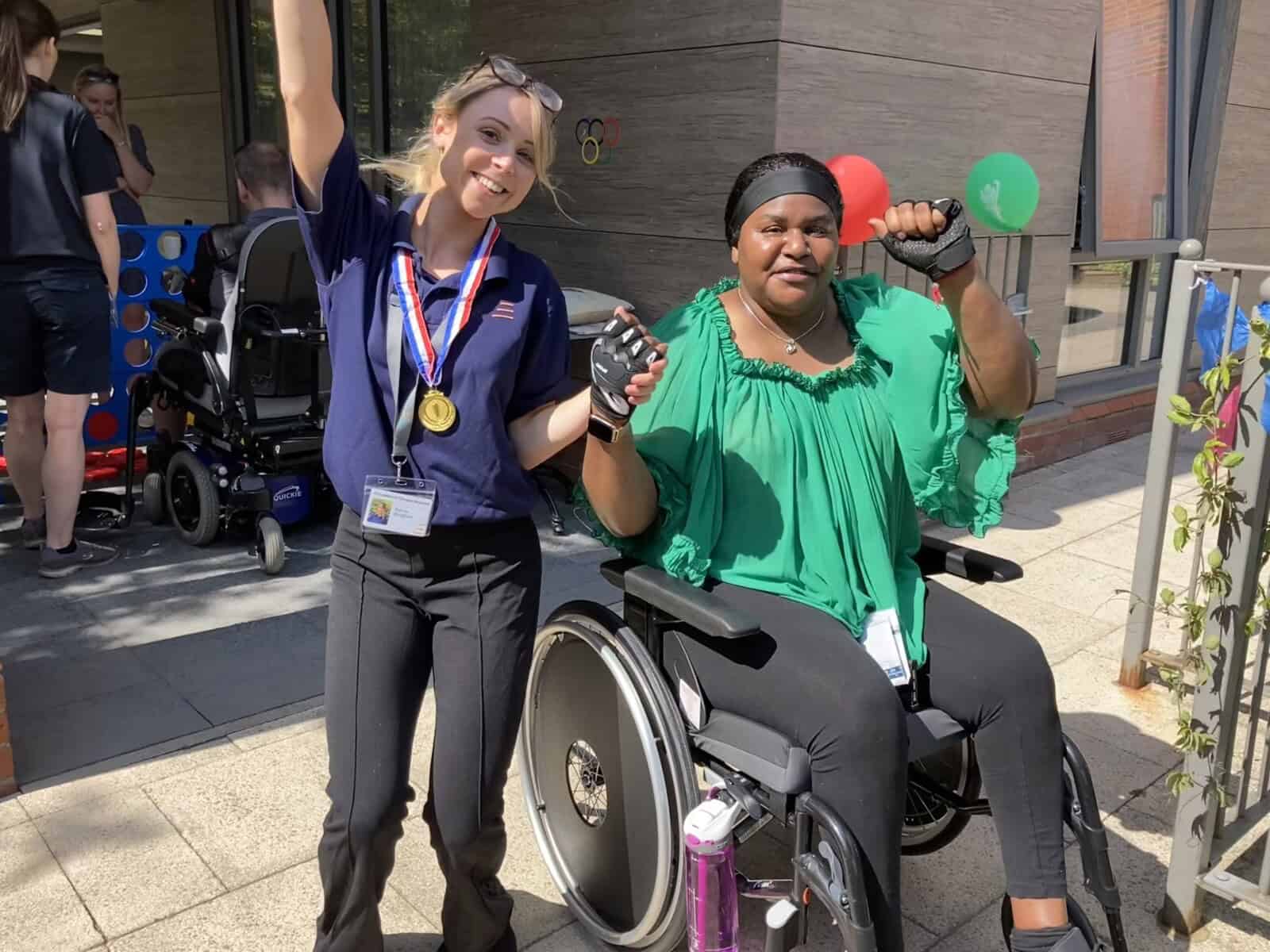
This World Occupational Therapy Day, the theme Participation Matters highlights how important it is for people recovering from life-changing injuries and neurological conditions to return to the everyday activities they enjoy and the things that matter most to them.
From returning to work and fulfilling family roles to enjoying hobbies and everyday activities, these aspects of life can require considerable rehabilitation and adaptation following an injury. Occupational therapists are instrumental in helping people work towards these goals and supporting their independence.
Tailoring rehabilitation around personal goals
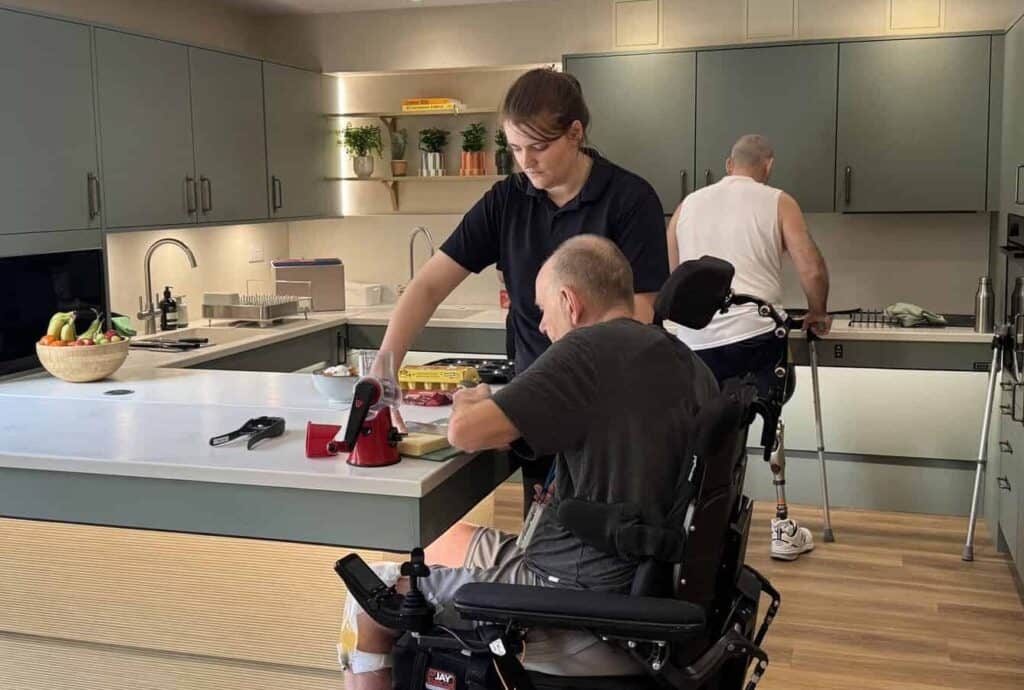
Every client's injury and rehabilitation journey is different, as are their interests and personal goals. One person may be determined to prepare a meal independently, while another might aspire to return to work, take on more of their parenting responsibilities again or reconnect with a favourite hobby. For many clients, being able to take on these familiar roles and responsibilities again can help restore a sense of purpose and identity following a life-changing injury.
At STEPS Rehabilitation, our occupational therapists work alongside the wider interdisciplinary team to help clients develop practical skills for greater independence and explore alternative approaches to activities that have become more challenging following their injury. This might involve practising everyday tasks such as cooking or dressing, or introducing specialist equipment and adaptations to help clients carry out activities more independently.
Establishing goals that reflect their own interests and priorities can help clients stay motivated throughout rehabilitation, particularly when progress is challenging. It also gives them opportunities to see how the skills they're developing at STEPS can help them return to activities they enjoy.
Building confidence in the wider community
For clients recovering from a serious injury or neurological condition, returning to familiar places and participating in social activities can be an important milestone in their rehabilitation. However, changes in physical or cognitive abilities, alongside the psychological impact of their injury, can make accessing the community more challenging than before.
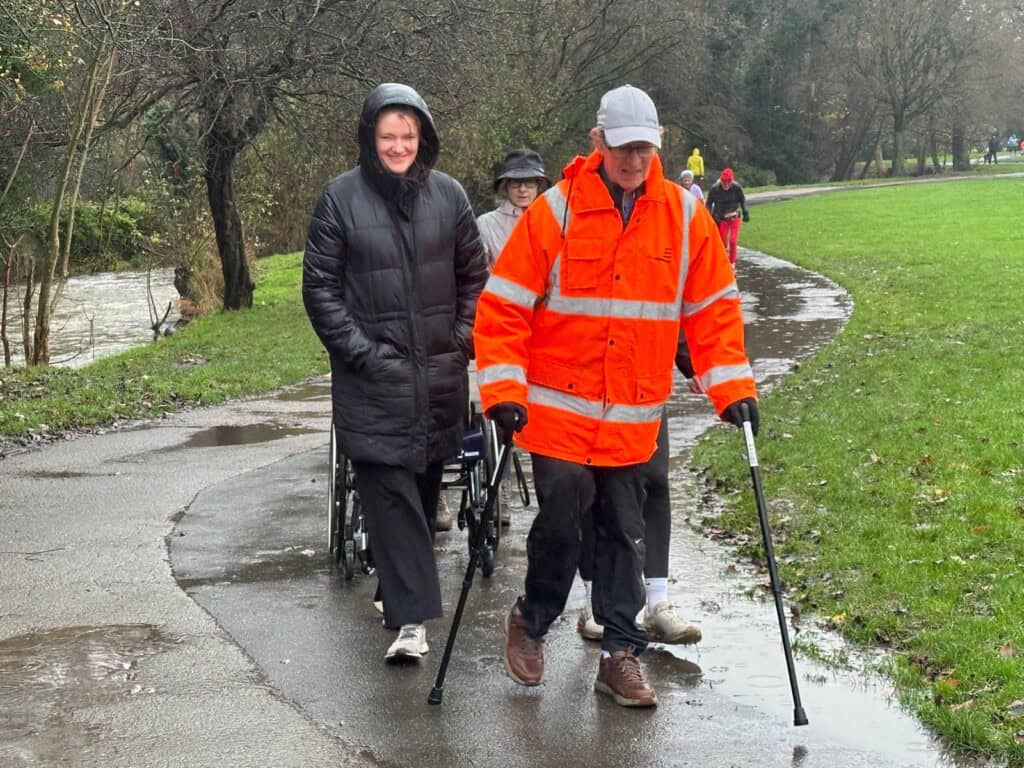
Everyday environments may present barriers that clients have not previously encountered, whether that's using public transport, navigating busy public spaces or accessing local shops and cafés. Our occupational therapists work with clients to identify these challenges and explore practical ways to manage them, taking account of their individual abilities and support needs.
Community outings give clients opportunities to practise the skills they've developed during rehabilitation in real-world settings. With support from our occupational therapists, they can become more familiar with navigating different environments, trial equipment or adaptations where needed, and build confidence in accessing the places and activities they want to return to.
Exploring new activities and opportunities
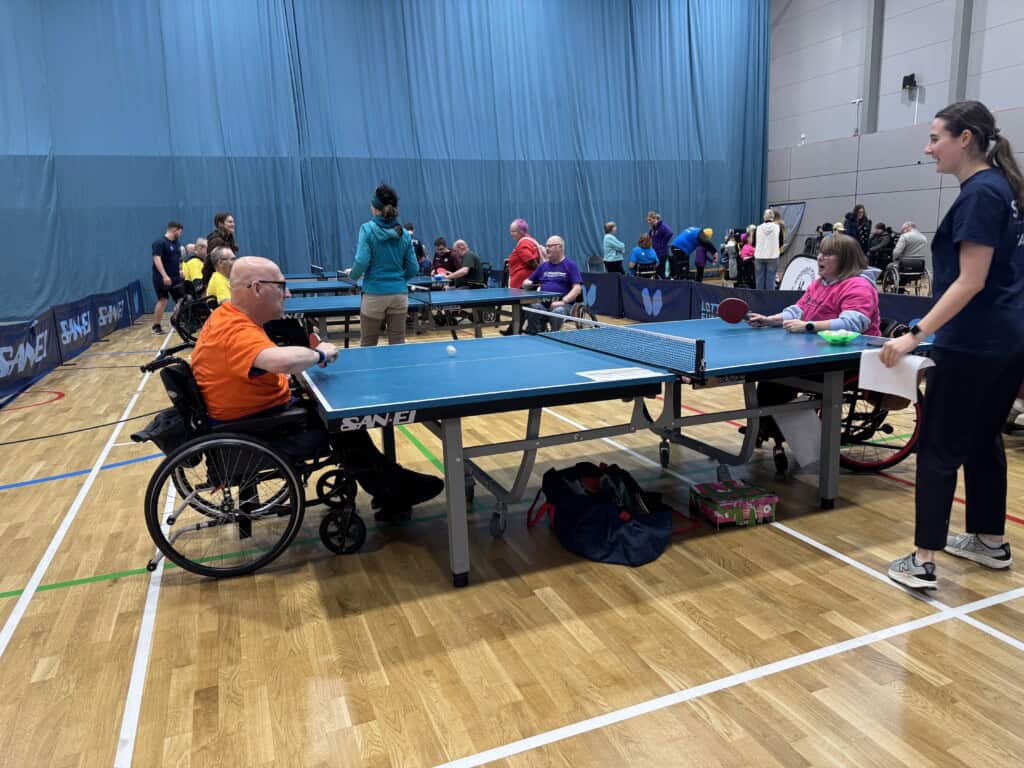
Alongside helping clients return to hobbies and interests they enjoyed before their injury, our occupational therapists encourage them to explore new activities they may not have previously considered. By understanding each client's abilities and interests, they can help identify suitable opportunities and explore any equipment or adaptations needed to take part.
Occupational therapists have previously supported clients to participate in sporting and leisure activities including the WheelPower Games, Cycling 4 All, adaptive fishing and archery. These experiences offer opportunities to try different sports and hobbies, meet others with similar experiences and discover activities they may not have thought possible following their injury
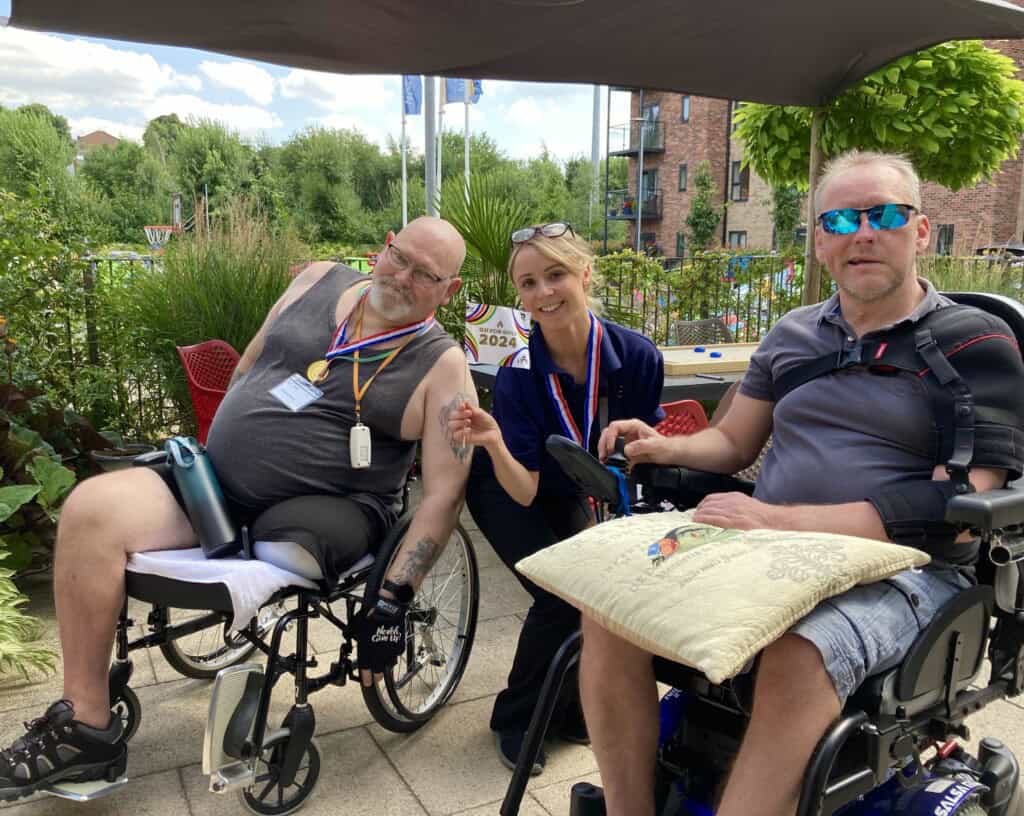
Celebrating our occupational therapists
This World Occupational Therapy Day, we'd like to thank our occupational therapy team for their dedication to our clients and the expertise and care they bring to their work every day. From helping someone prepare their own meal to supporting them to return to a favourite hobby or get back out into their community, their work makes a huge difference to life during and after rehabilitation.