
Around 1.4 million people in the UK are living with the effects of stroke, with approximately 60% of survivors left with a disability. While leaving hospital is an important milestone, many people continue to experience difficulties with their mobility and everyday activities long after their initial treatment.
This World Stroke Day, we want to highlight the importance of continued access to specialist rehabilitation. Recovery doesn't necessarily stop when someone leaves hospital, and with the right support, some survivors can continue making progress towards greater independence months or even years after their stroke.
The gap in long-term stroke rehabilitation
Stroke is the UK's leading cause of complex adult disability, yet accessing continued rehabilitation after hospital discharge can be difficult. Community stroke services vary considerably depending on where someone lives, and some survivors find that their rehabilitation ends while they still have goals they want to achieve.
As Munira Wilson MP highlighted on last year’s World Stroke Day, community stroke rehabilitation often ends just six weeks after hospital discharge, despite survivors' ongoing needs. For those who still require regular therapy, limited access to further treatment can make it harder to build on their progress.
At STEPS Rehabilitation, we work with stroke survivors at different stages of recovery, including people who continue to face physical and cognitive difficulties after their initial rehabilitation. We understand that progress takes time, and that having the opportunity to keep working towards personal goals can make an important difference to someone's independence and quality of life.
According to the Stroke Association, only 35.1% of eligible stroke survivors received their recommended six-month review in 2024/25, the lowest proportion in six years. Of those reviewed, 64% were still experiencing difficulties with everyday activities, showing how many survivors continue to need support long after leaving hospital. For those who still have the potential to make further progress, access to rehabilitation should be determined by their individual needs rather than a fixed period of treatment.
Kate Green is one stroke survivor who has been able to continue making progress years after her stroke, thanks to support from the STEPS Rehabilitation Foundation, which helped her access further specialist rehabilitation at MOTIONrehab™. Read Kate’s story here.
Specialist stroke rehabilitation at STEPS
The multidisciplinary team at STEPS provides intensive rehabilitation based on each client's individual needs and goals. During their residential stay, clients receive physiotherapy, occupational therapy, and other specialist treatments to improve mobility, regain everyday skills, and prepare to return home. Continued rehabilitation through our day services offers continued access to the same team, allowing clients to work towards their goals with professionals who already know them and their progress.
Our experience supporting stroke survivors has shown us the importance of recognising each person's rehabilitation potential, whatever stage of recovery they have reached. While progress varies between individuals, continued specialist input can help people work towards goals that remain important to them long after their stroke.
Supporting long-term recovery
With one in four strokes now affecting people of working age, more younger survivors face the prospect of living with disabilities that can impact their ability to work, raise a family and live independently. Many still have considerable potential for physical improvement, and access to long-term specialist rehabilitation could make a lasting difference to what they can achieve over the years ahead.
Stroke survivors need access to rehabilitation that reflects their individual needs, rather than having treatment limited by fixed timescales or where they live. Greater access to specialist rehabilitation could give more survivors the opportunity to continue improving their independence and quality of life, even years after their initial stroke.
A client's perspective for World Stroke Day
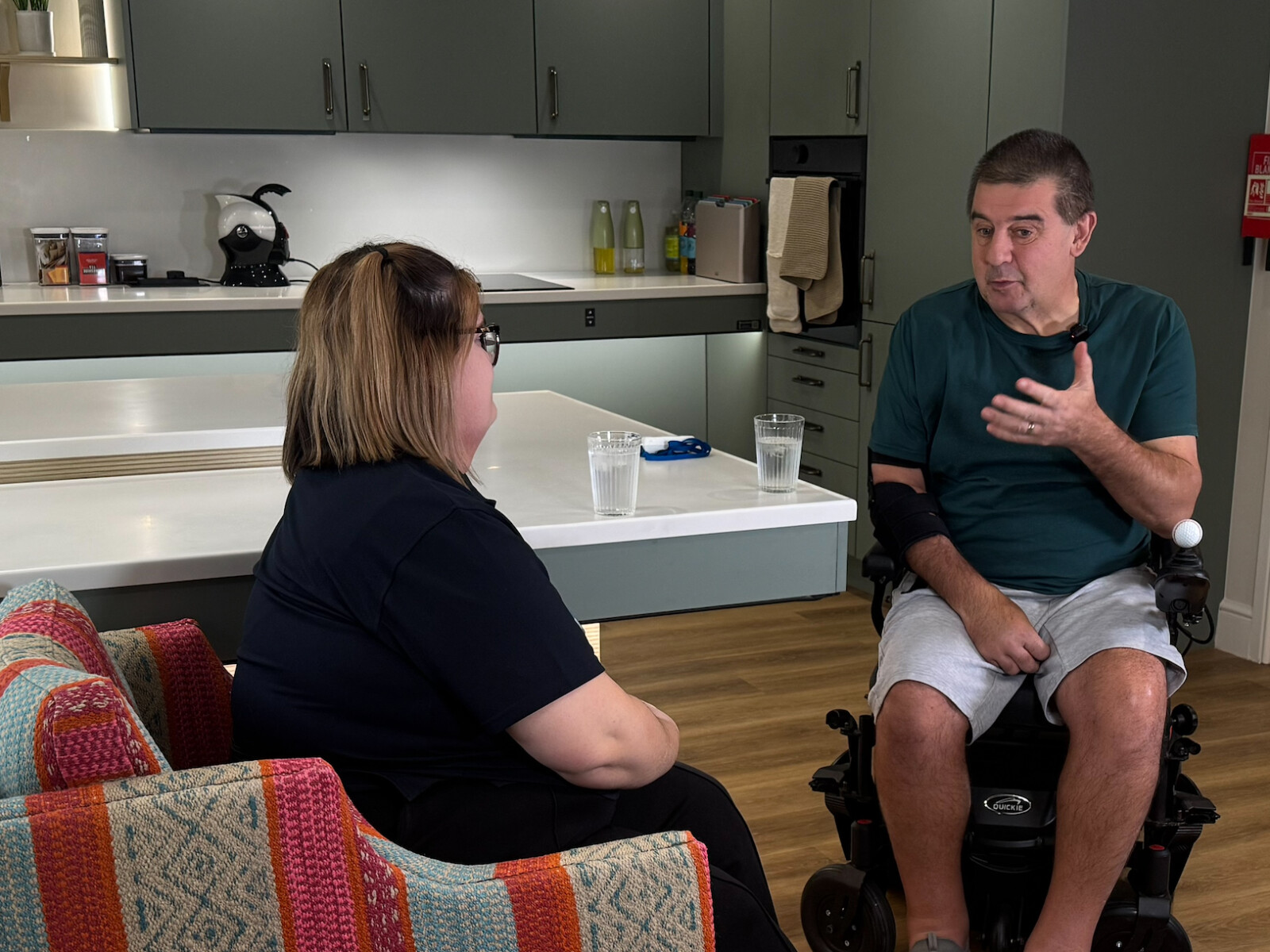
To watch our client Darren discuss his experience of life after stroke with Speech and Language Therapist, Becca Shiel, click here.
STEPS Rehabilitation provides specialist residential and day rehabilitation for people recovering from stroke. Our multidisciplinary team develops tailored rehabilitation programmes to help clients work towards their individual recovery goals.